Living Economy: Abundance as a Way of Life
A Living Economic Ecosystem
An Economy That Serves Life
In much of the modern world, economy has become an end in itself.
At Tree of Life, we return it to its original role: a means to support life.
We understand money and land as living forces — forms of energy that can either stagnate or circulate, extract or regenerate. Our intention is neither romantic nor speculative. It is grounded, practical, and designed to endure.
What we call unity consciousness is not an abstract spiritual idea.
It is the natural outcome of systems that provide material stability, social trust, and meaningful contribution. When families can breathe, when children grow without constant pressure, when work and rest find their rhythm — abundance emerges naturally.
This page outlines the economic thinking, structures, and living initiatives that allow Tree of Life villages to remain resilient, grounded, and abundant over generations.
The Philosophy - From Survival to Regenerative Prosperity
Tree of Life is founded on a simple but often overlooked truth:
spiritual, educational, and cultural life cannot flourish on economic insecurity.
True abundance is not excess.
It is continuity, balance, and the freedom to contribute.
Our economic worldview draws inspiration from a lineage of thinkers and practitioners — among them Rudolf Steiner and E.F. Schumacher — who understood economy as a moral and social space, not merely a technical one.
In this view:
Money is not a measure of worth, but a tool for service
Land gains value through responsible use, not accumulation
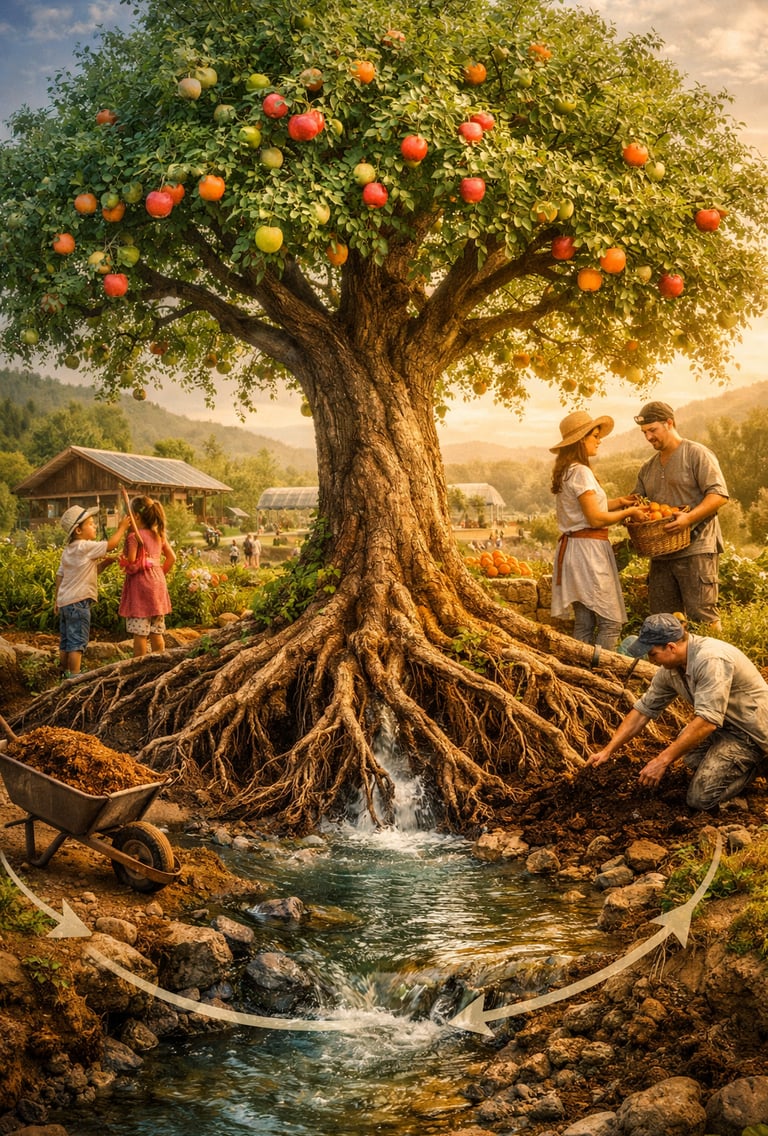
Hoarded capital weakens systems; circulating capital strengthens them
There is no contradiction here between spirit and structure.
There is alignment.
Money in Motion
The Three Forms of Capital
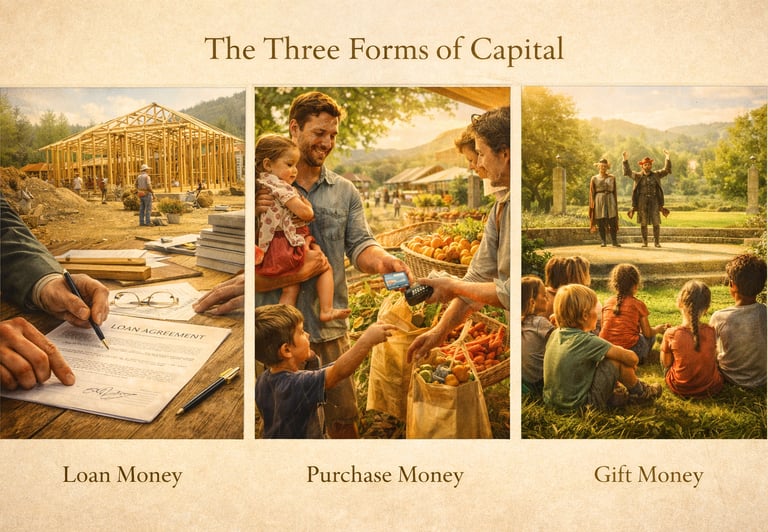
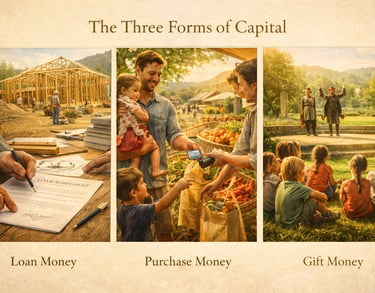
One of Steiner’s most relevant insights for contemporary society is the distinction between three forms of money, each essential to a healthy economy:
Purchase money — enabling daily exchange of goods and services
Loan money — supporting infrastructure, development, and long-term capacity
Gift money — sustaining education, culture, innovation, and those outside market exchange
When any one of these dominates, imbalance arises.
When gift money disappears, culture and education wither.
When loan money detaches from purpose, speculation replaces creation.
Tree of Life villages are designed to hold these three flows in conscious balance, allowing capital to move where it serves life rather than where it merely accumulates.
Land as a Living Trust
In Tree of Life villages, land is not treated as a speculative asset.
It is held as a living trust — protected for long-term use, habitation, and care.
Its purpose is not appreciation, but continuity.
Economic stability arises from:
Clear stewardship and governance
Regenerative and productive land use
Intergenerational responsibility
Integration of living, learning, and working
Rather than extracting value from land, the villages are designed to grow value into it — socially, ecologically, and economically.
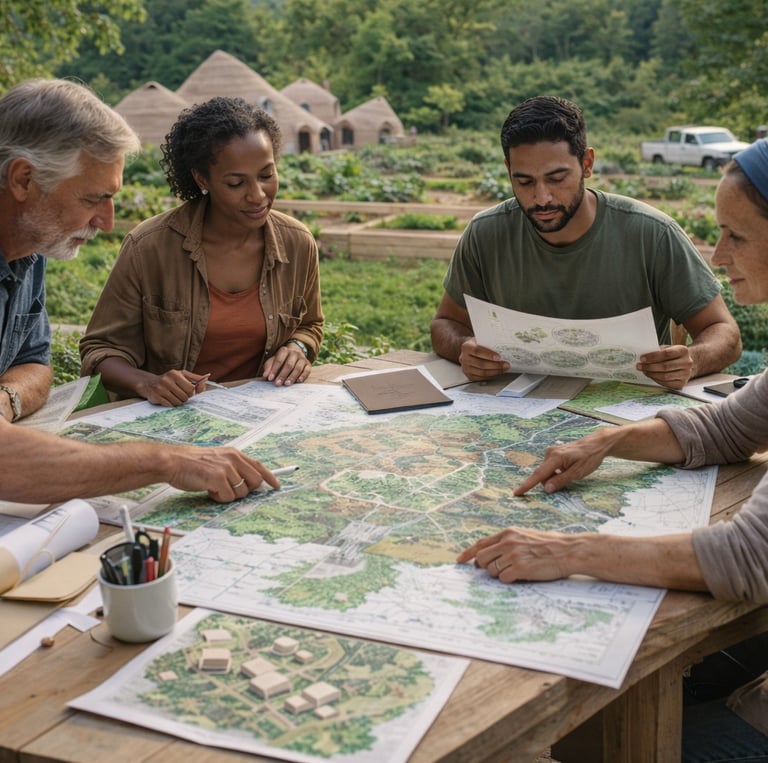
+6
Current Global Land Oppertunities
A Threefold Economic Organism
Inspired by Steiner’s concept of the Threefold Social Order, Tree of Life distinguishes between three interrelated spheres:
Cultural–spiritual life (education, art, meaning)
Social–legal life (rights, governance, agreements)
Economic life (production, exchange, material support)
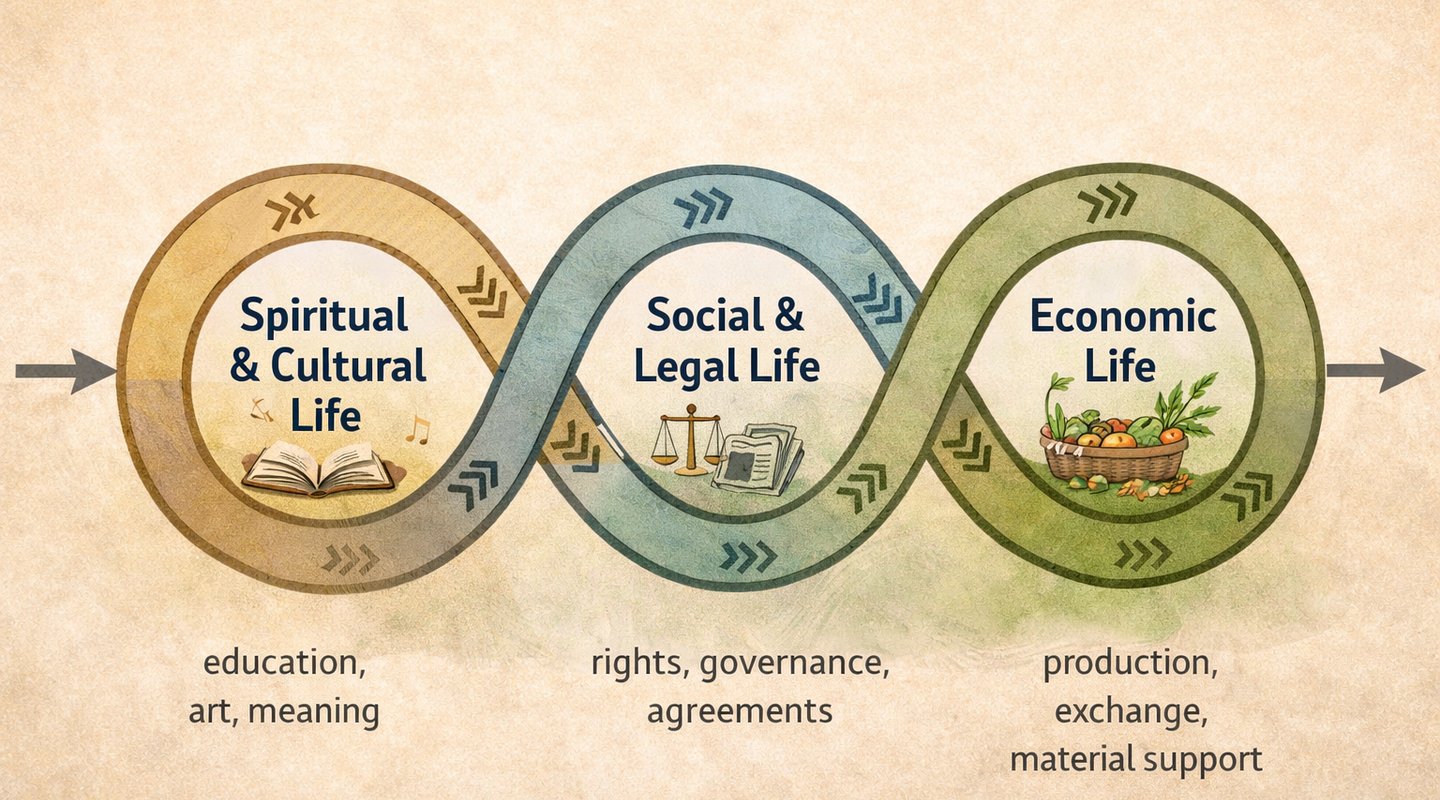
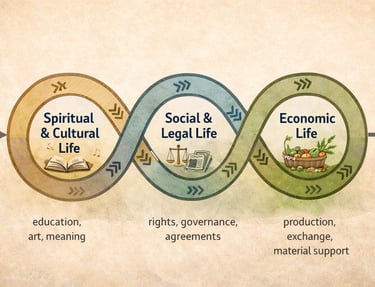
In practice, this is reflected through distinct but cooperating bodies, such as:
A land stewardship or trust entity, protecting land from speculation
A cooperative body managing daily village life and internal economy
A development or initiative-support entity handling external revenue activity
This separation is not fragmentation. It is what allows each sphere to remain healthy without overpowering the others.
From One Village to a Global Network
A Distributed Cluster Economy
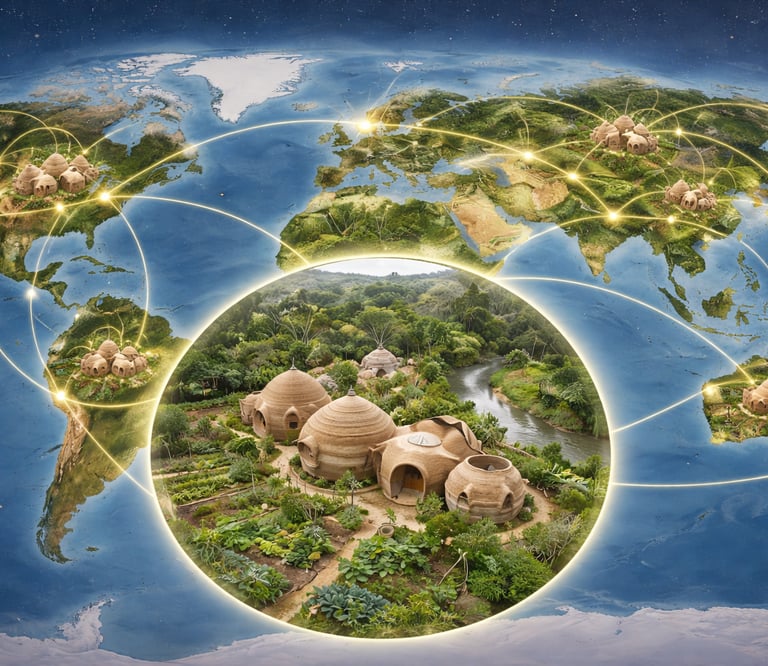
Each Tree of Life village functions as a local economic ecosystem — but no village stands alone.
From the outset, Tree of Life is conceived as a global network of villages, each shaped by its local ecology and culture, while contributing to a shared economic fabric.
Different villages may develop different areas of focus — such as education, regenerative tourism, food systems, technology, or creative production — forming a distributed cluster economy.
This diversity is not fragmentation.
It is resilience.
Through cooperation, knowledge exchange, and shared values, the network becomes stronger than any single node.
People can move, learn, and contribute across villages, while value and experience circulate throughout the system.
Integrated Initiatives on the Ground
Economic ideas become real only when lived.
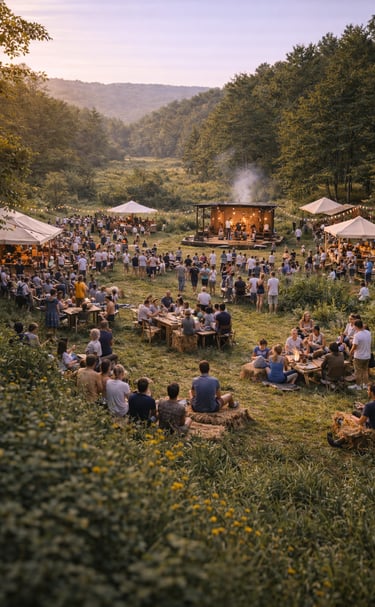
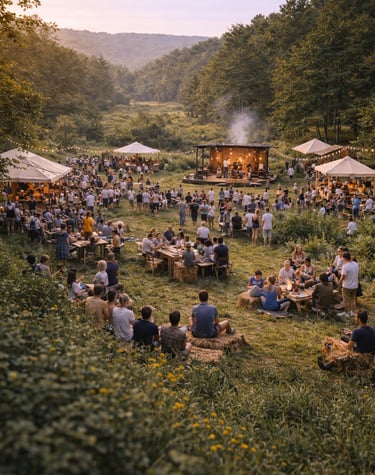
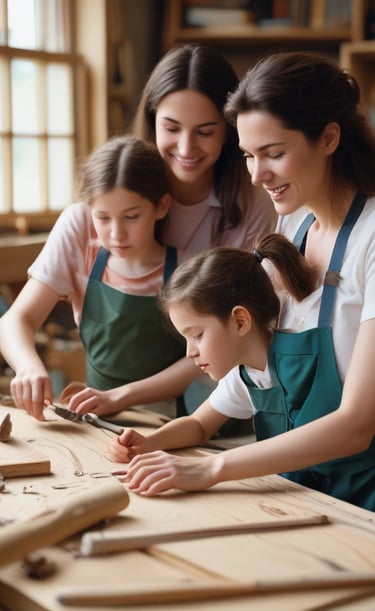
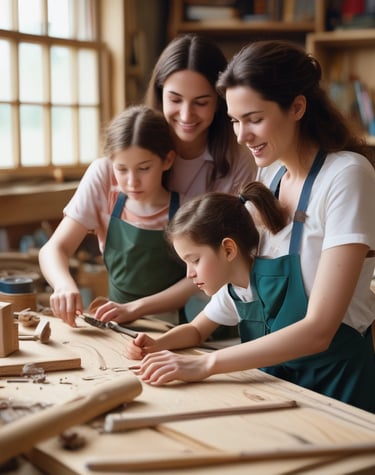


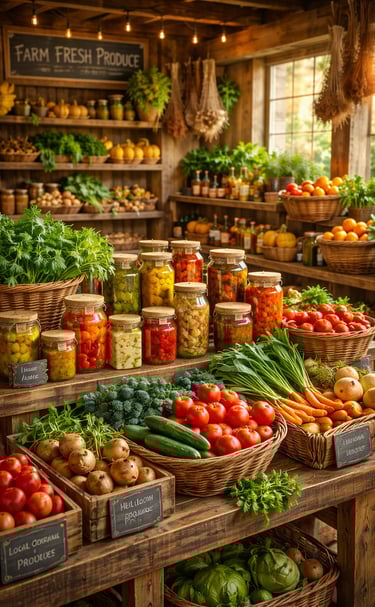
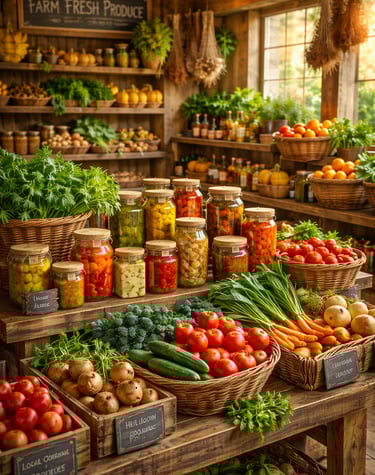
Tree of Life villages host integrated initiatives designed not as isolated businesses, but as interdependent parts of a living system.
These may include:
Hospitality & Retreat Programs
Small-scale ecological lodging and curated retreat experiences (often 7–10 days) supporting learning, rest, and cultural exchange.Food Systems & Community Kitchens
Regenerative farms, food forests, bakeries, and farm-to-table kitchens serving residents and guests, with surplus reaching surrounding regions.Education & Training
Living schools for children, alongside international trainings in ecological building, permaculture, facilitation, and community leadership.Wellbeing & Healing Spaces
Land- and body-based practices, including movement, therapy, and animal-assisted work, serving both residents and visitors.Craft, Creation & Shared Workspaces
Studios, ateliers, and co-working spaces supporting artisans, makers, and remote professionals.
Each initiative contributes financially — and just as importantly — anchors skills, relationships, and meaning within the village.
Technology in Service of Regeneration
Terrabots is a technology venture developing robotic and AI-assisted systems for regenerative construction and land restoration.
At its core, Terrabots focuses on 3D earth printing and autonomous building technologies that use local soil and natural materials to create durable, low-impact structures. Instead of extracting concrete, steel, and industrial components, Terrabots systems are designed to build with the land rather than on top of it.
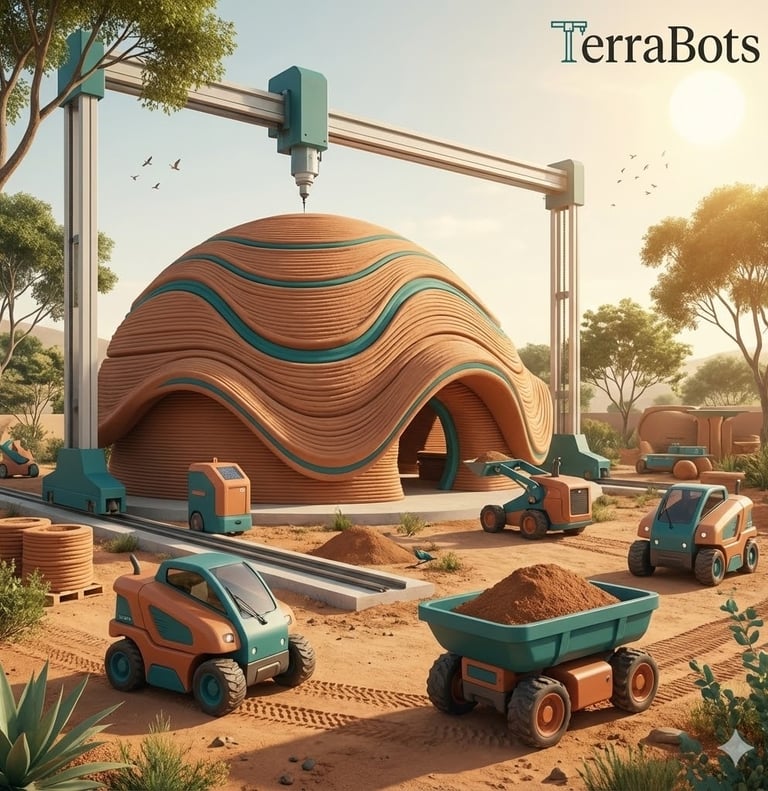
The technology enables:
On-site construction using local earth
Reduced material transport and embodied carbon
Modular, adaptable building systems
Scalable ecological infrastructure for villages, farms, and remote regions
Tree of Life villages are envisioned as living laboratories for these technologies — places where robotic construction, regenerative architecture, and community life evolve together. Rather than being developed in isolation, Terrabots solutions are tested within real ecosystems, responding to climate, soil, and human needs.
This integration allows innovation to remain grounded:
technology does not replace human craft — it supports communities in building resilient, affordable, and ecologically aligned environments.
Terrabots represents a key bridge between ancient building wisdom and future-oriented automation, demonstrating how advanced technology can actively participate in healing land, reducing costs, and enabling long-term village sustainability.
An Economy That Serves Life
Tree of Life villages are not designed for rapid scaling, financial extraction, or speculative return.
They are built to last.
Success here is measured differently — not by short-term growth, but by long-term resilience:
The ability of families to live without constant financial pressure
The continuity of community life across generations
Care for land, water, and people over time
The capacity to absorb change without collapse
Growth within Tree of Life is intentional, not exponential.
Stability comes before expansion.
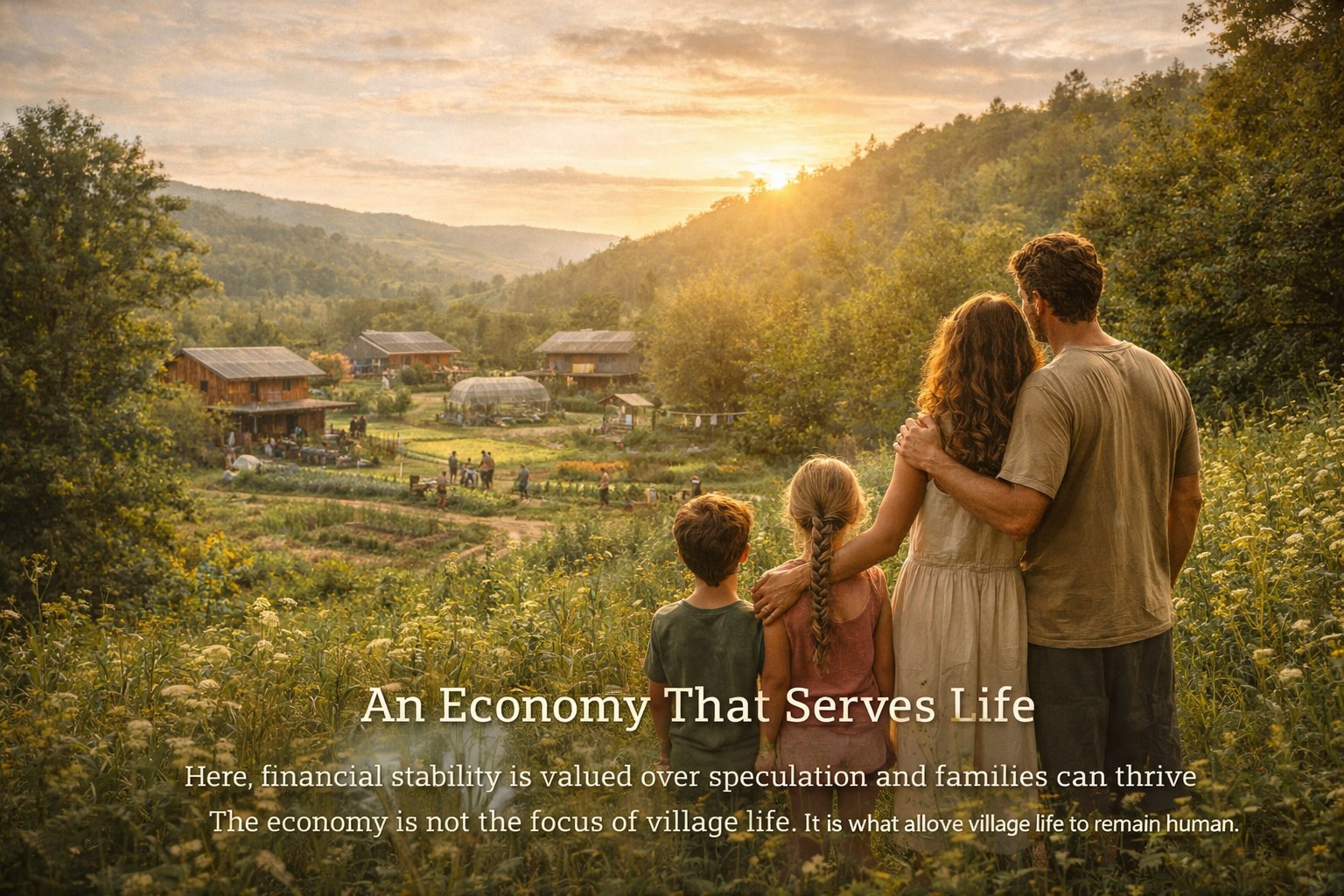
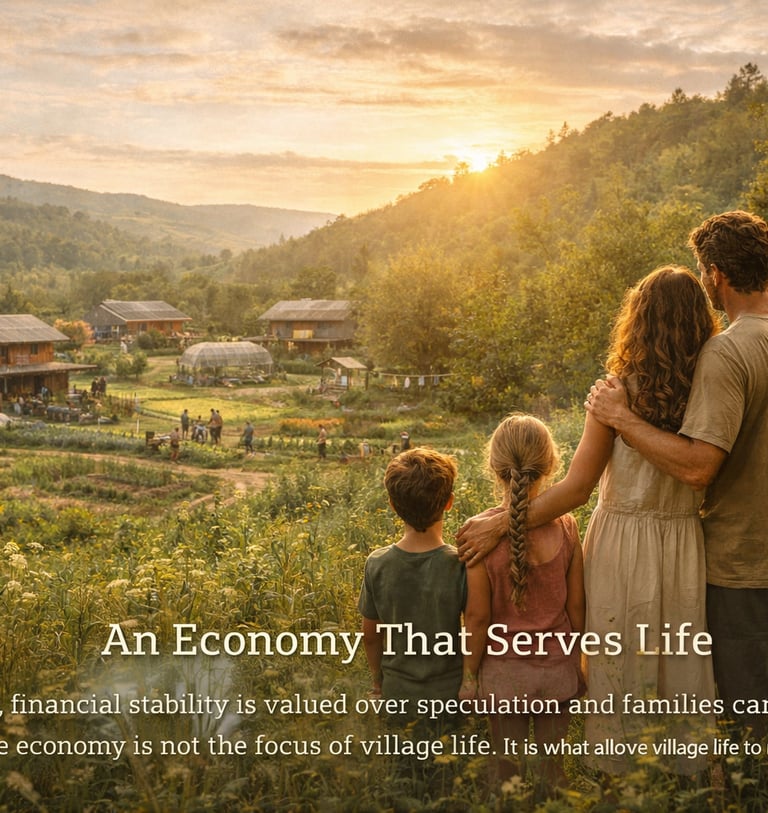
The economy is not the focus of village life. It is what allows village life to remain human.
As the network matures, we may introduce additional economic layers that support local circulation and participation. One such possibility is a values-based internal exchange tool — sometimes referred to as a Tree Token. If developed, it would aim to strengthen local exchange, reward contribution and care, and support community resilience without replacing national currencies. This remains an exploratory, future-oriented layer, approached with caution and responsibility.
Ultimately, this economic framework exists for one reason:
So families can breathe.
So children can grow within stable, caring environments.
So adults can work, rest, and contribute without burnout.
So communities can plan in decades, not quarters.
Building Abundance with Both Feet on the Ground
The economic framework of Tree of Life is not a finished system.
It is a living structure — shaped by real people, real land, and real responsibility.
We do build what can be called a paradise consciousness —
not as an escape from reality, but as a disciplined return to it.
We are grounded enough to recognize that money is a form of energy.
Like water or nutrients in a living system, it must circulate wisely between all parts of the whole —
so balance is maintained and abundance can be shared.
Money is not the purpose of the village. It is a means — one that must remain in service to life.
Economy, at its root, emerges from the laws of living systems.
It is a human interpretation of natural flows:
exchange, creation, care, responsibility, and love for one’s neighbor.
Within our villages, this way of thinking must be cultivated consciously.
The challenge of our time is not materiality itself,
but the reduction of all value into money alone.
This tension is real — and we do not deny it.
Yet we believe that together, through structure, trust, and shared intention,
it is possible to build an economy that nourishes rather than consumes.
We do not promise perfection.
We offer the conditions in which meaningful lives can be built — together.
Here, abundance is not a slogan.
It is the quiet, lasting outcome of systems designed to serve life.
Connect
Reach out to join our sacred life
Contact
Subscribe
© 2026. All rights reserved.
Privacy Policy | Terms and Conditions