Reimagining How We Live Together
Tree of Life is a vision for resilient, human-scale villages—rooted locally and connected globally.
Why a New Village Model Is Needed?
Over the past decades, modern life has been designed around separation. Housing, work, food systems, family life, and community are planned as independent layers—often optimized individually, yet rarely aligned as a whole.
This fragmentation has a cost. Families are increasingly isolated, daily life depends on long and fragile supply chains, and the connection between people, nature, and local responsibility has weakened. What once functioned naturally within villages now requires constant external systems to sustain.
Fragmentation Has Become the Default
Villages as Integrated Living Systems
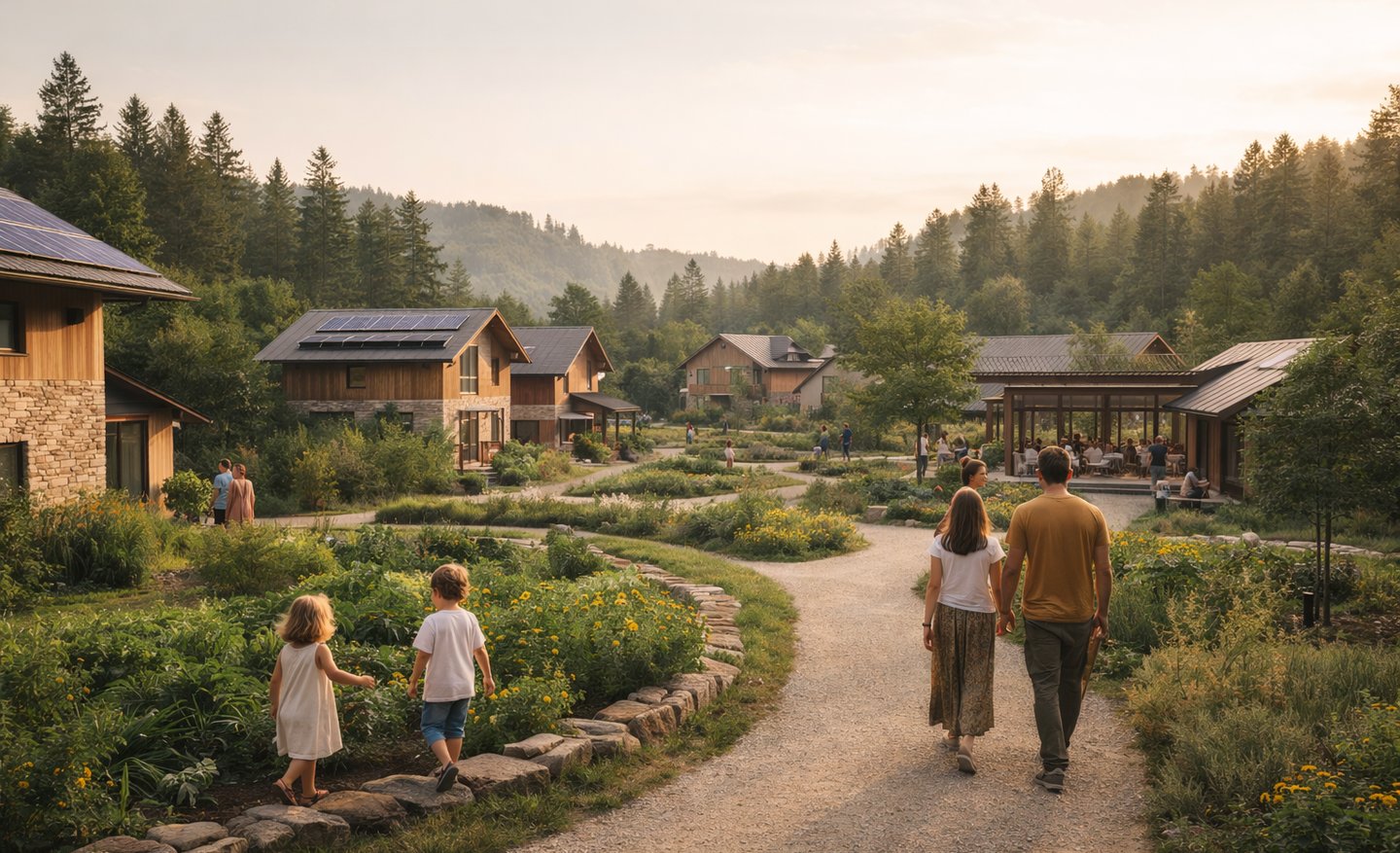
Tree of Life starts from a different premise: long-term resilience emerges from integration, not optimization. When housing, land stewardship, local economy, and social structures are designed together, villages can once again function as complete living systems.
This is not about nostalgia or retreating from modern life. It is about rethinking the village as a contemporary model—human-scale, locally grounded, and capable of repeating itself across regions.
A model that supports families, protects land, and remains viable across generations.
From Village to Network
Tree of Life is designed as a complete village model—intended from the start to scale into a connected network of communities.
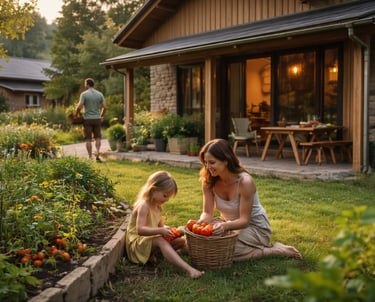
A Safe and Grounded Place to Live
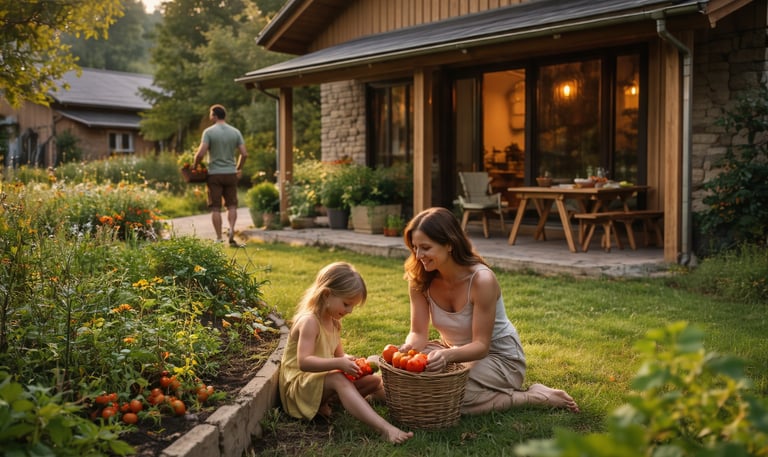
Tree of Life begins with the essentials: safe homes, access to nourishing food, shared spaces for daily life, and an environment where families can live without constant pressure or instability.
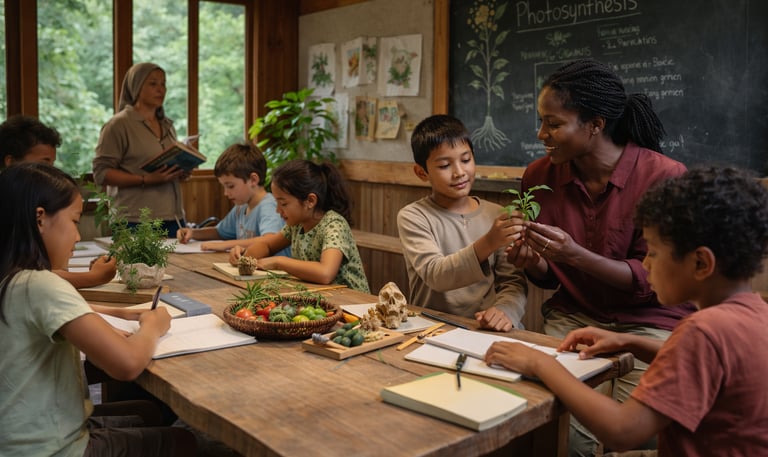
Raising the Next Generation with Intention
Rather than relying on informal connections alone, the village is structured to support collaboration, shared responsibility, and long-term coexistence—reducing friction and strengthening trust over time.
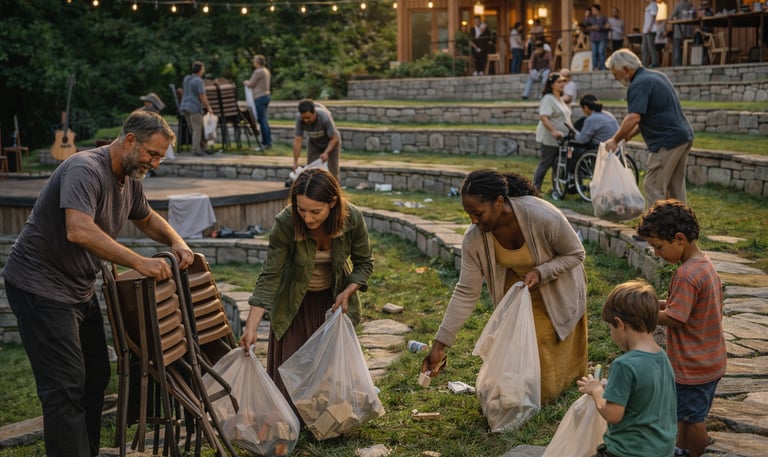
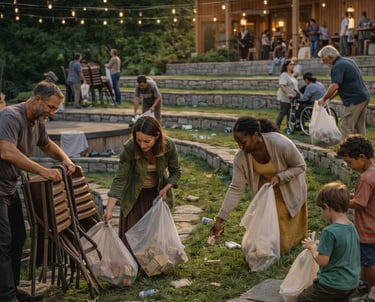
Community Designed to Function
Education is not treated as a separate system, but as part of village life—connected to land, community, skills, and responsibility, allowing children to grow within a coherent and supportive environment.
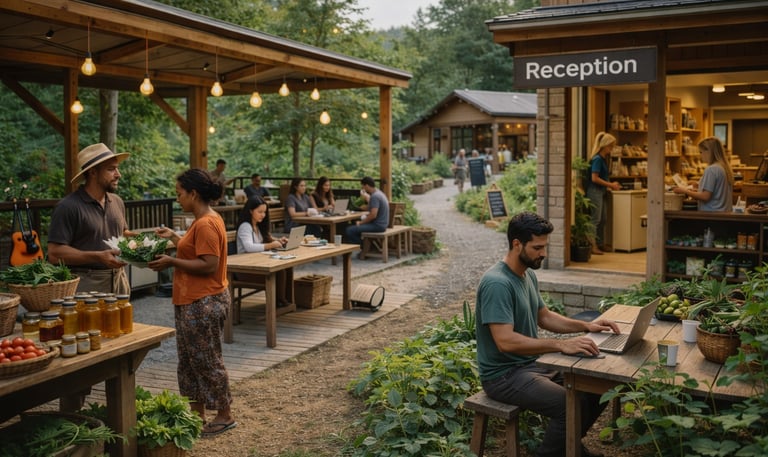
Local Economy That Sustains the Village
Each village is designed to support meaningful economic activity—rooted locally, aligned with its environment, and structured to sustain families without constant dependence on distant systems.
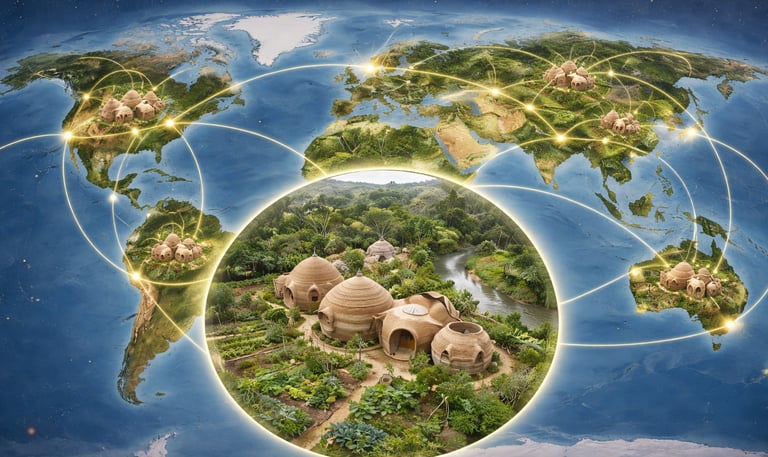
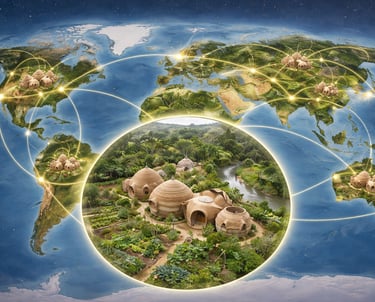
A Network Designed from the Start
The first village is a foundation, not an endpoint. Tree of Life is conceived as a repeatable model—capable of forming a connected network of villages that share principles, knowledge, and long-term resilience.
We bring together individuals, groups, and movements into one shared, people-led vision — rooted in care for self, family, community, and the living Earth.
By aligning around common values and responsibility, a unified community can form and grow.
Tree of Life was born from a simple yet profound aspiration:
to bring the highest spiritual and moral values into everyday life.
A renewed society where the sacred is woven into the ordinary,
and where human action becomes a vessel for peace, justice, and shared prosperity
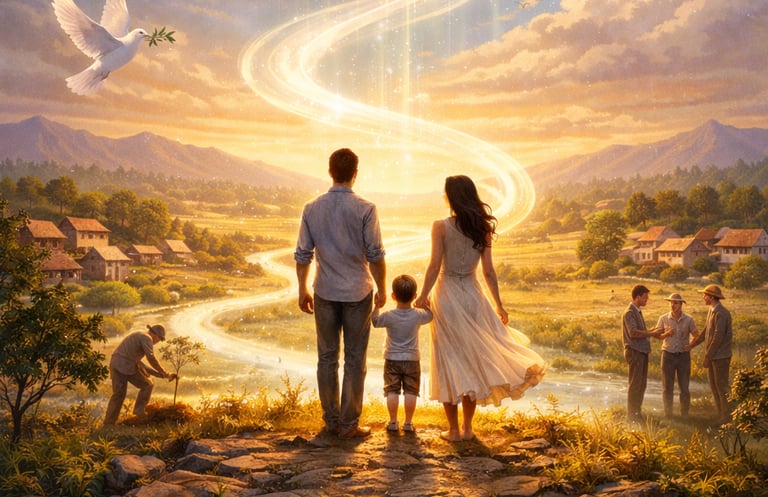
Connecting Heaven & Earth
From Vision to Reality
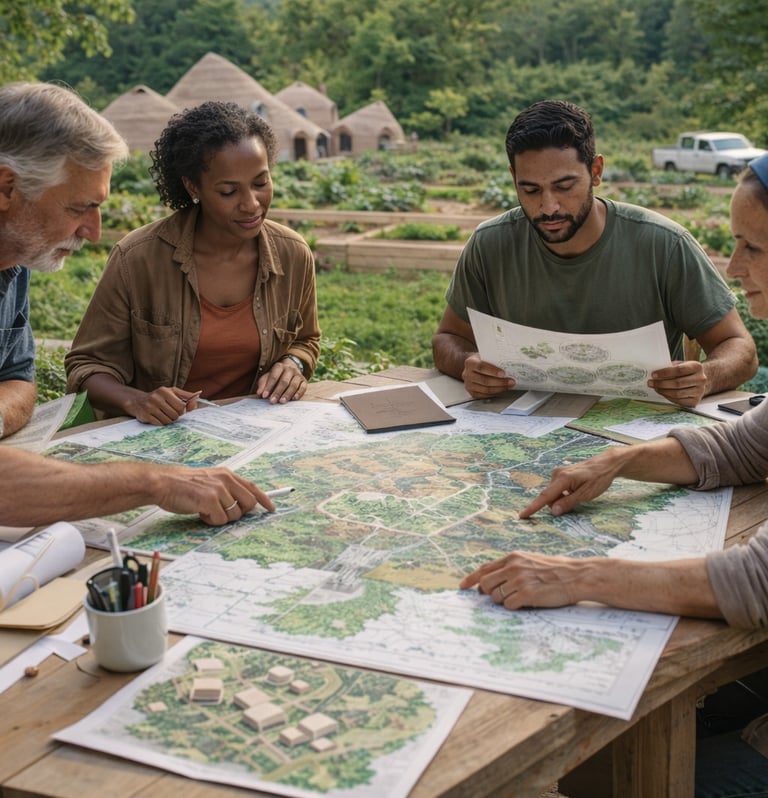
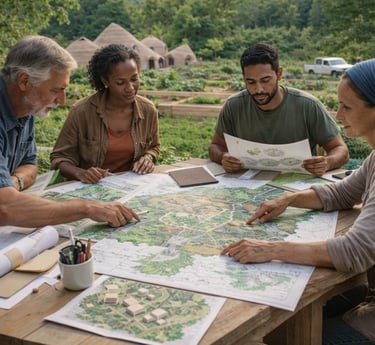
A long-term, phased approach guides the Tree of Life initiative—from conceptual foundations to the first village and beyond.
Current Focus
Status
Early-stage development, prioritizing clarity, alignment, and responsible pacing.
Foundational design, governance models, and site evaluation.
Phase 1 — Foundations
Defining the village model, governance principles, land criteria, and community structure—before physical development begins.
Phase 2 — The First Village
Establishing the first living prototype: a real village, built gradually, tested in practice, and refined through lived experience.
Phase 3 — Replication & Network
Documenting knowledge, forming partnerships, and enabling future villages to emerge as part of a connected, resilient network.

An Invitation to Align
Tree of Life is built slowly and deliberately.
It invites those who value responsibility, collaboration, and long-term thinking to take part in shaping something meant to last.
"Spirituality is not meant to remain abstract or distant.
Values such as love, compassion, justice, truth, and responsibility are meant to be lived — in our relationships, communities, work, and shared systems.
It is an invitation to live a life where spirituality informs decisions, guides behavior, and shapes the world we create together.
Each person becomes a bridge — carrying awareness, integrity, and care into the practical world — so that holiness, ethics, and unity are not ideals above us, but living forces among us."
Connect
Reach out to join our sacred life
Contact
Subscribe
© 2026. All rights reserved.
Privacy Policy | Terms and Conditions