Land Partnerships
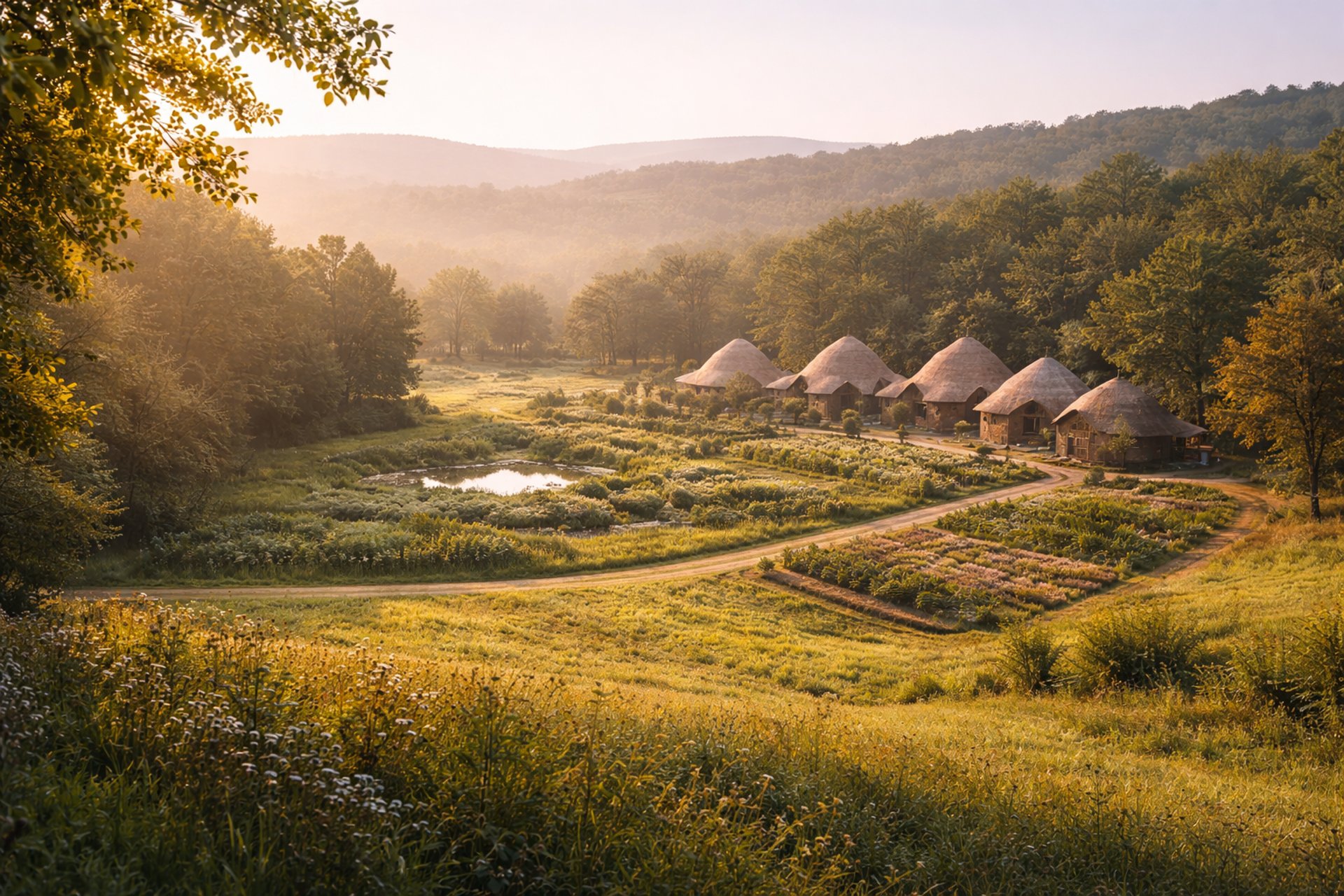
We partner with land owners who see land as a foundation for life, community, and continuity- not merely as a financial asset.
Why We Work Through Land Partnerships?
Tree of Life does not acquire land as a default model.
We believe land is not merely an asset to be traded, but a living foundation that carries ecological, social, and generational responsibility.
Rather than extracting value from land, we work with land owners to build value through life—by establishing villages that are inhabited, cultivated, and sustained over time.
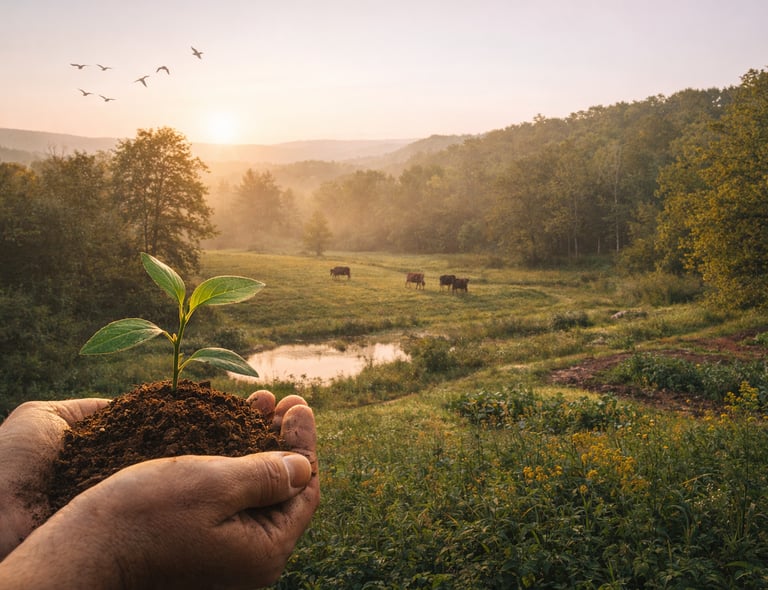
Inspired by social and ecological philosophy that views land not as capital to be accumulated, but as a living foundation meant to serve life through use.
Land Criteria for a Potential Village
We are currently exploring land that meets the following baseline conditions:
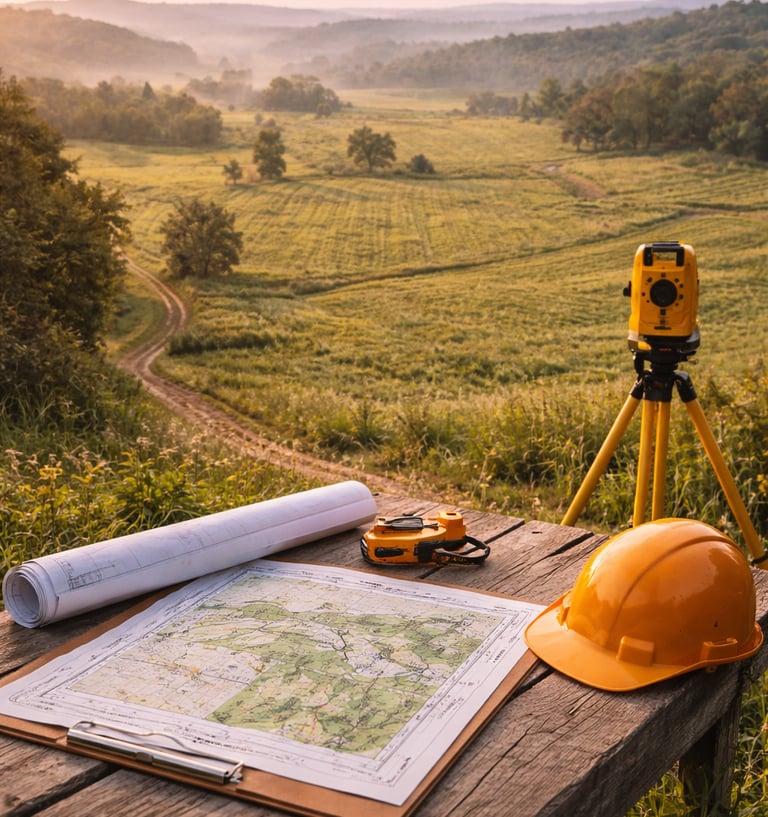
Land Size
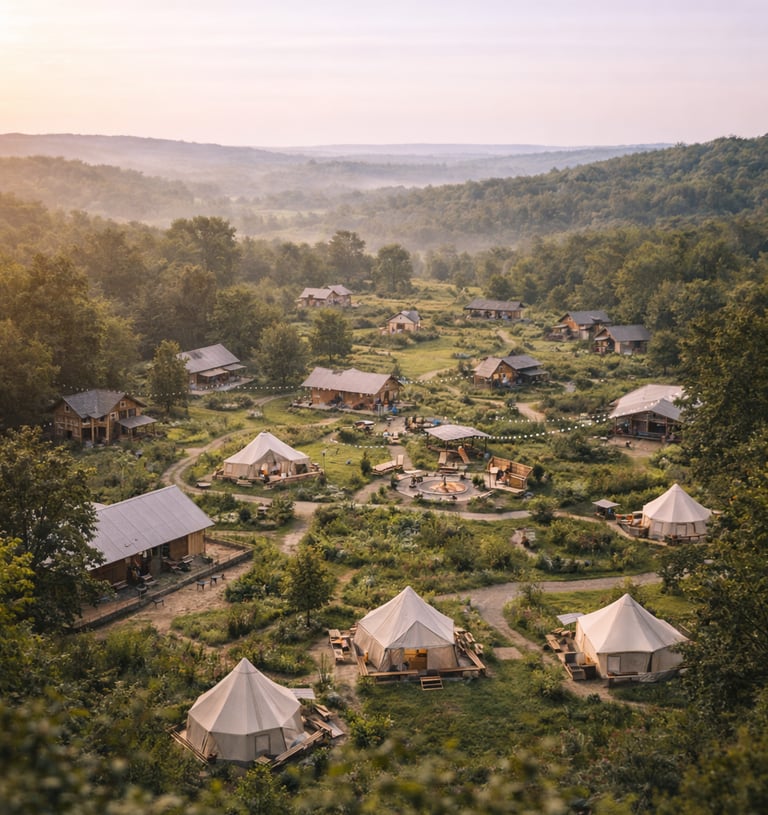
20+ dunams (≈2 ha)
Residential Capacity
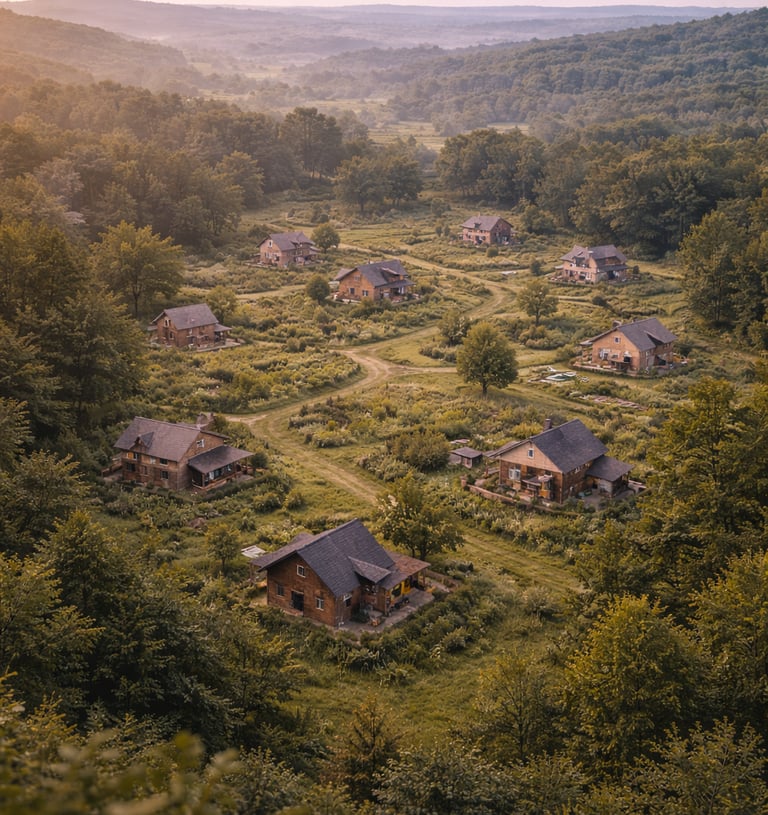
10+ Family Homes
Hospitality & Hosting
+20 Units + shared public spaces
Minimum land size required to support a village-scale layout, shared spaces, and open land—beyond individual plots.
Planning feasibility for at least ten family homes, approximately 80–150 m² each, as part of a coherent village structure.
Capacity to host a small hospitality compound of approximately 20 units (~40 m² each) for visitors, learning, and gatherings.
Water Availability
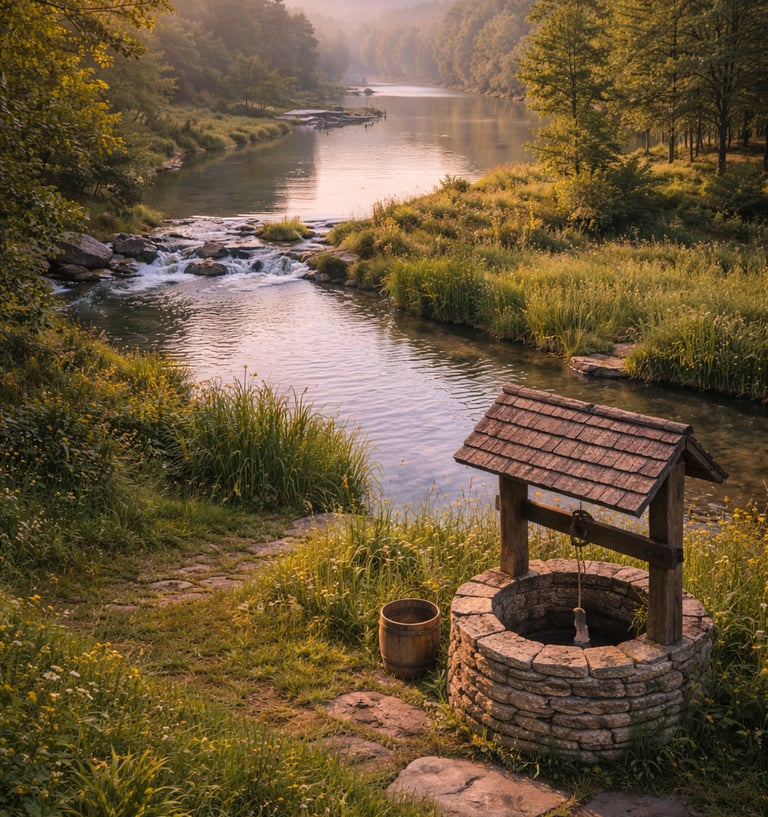
Reliable Clean Water
Access to sustainable water sources such as wells, springs, groundwater, rivers, or equivalent long-term solutions.
Agricultural Readiness
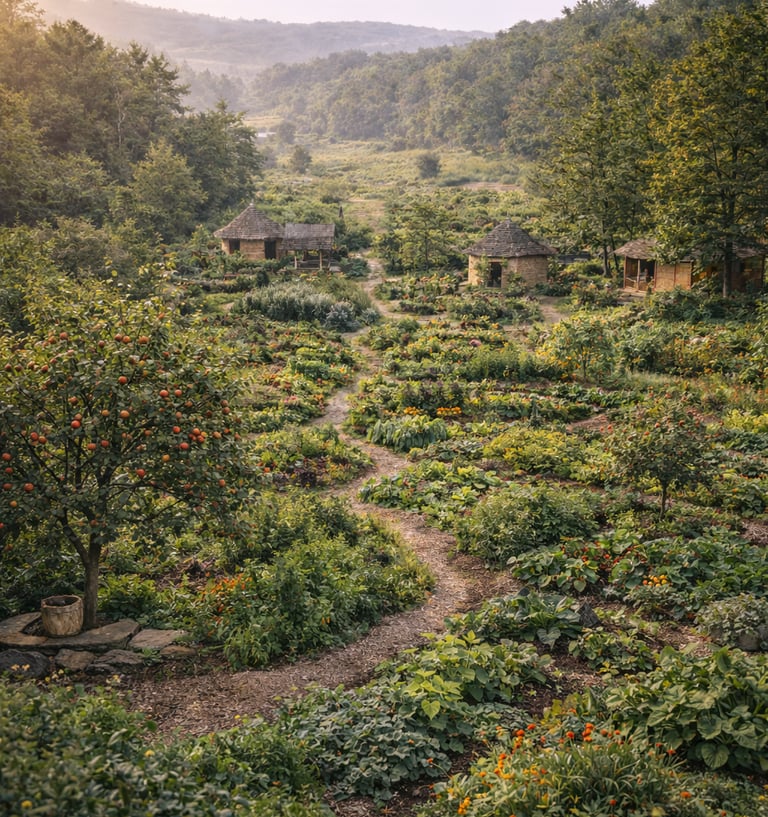
Land Suitable for Cultivation
Soil, terrain, and conditions that allow agricultural use, gardens, or regenerative farming practices.
Openness to Community Life
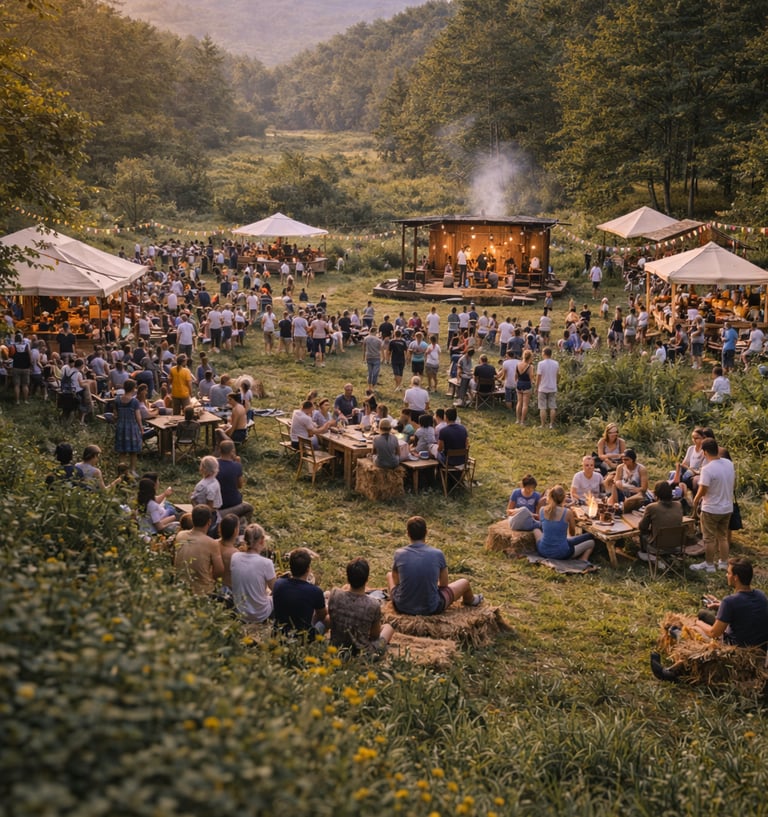
Hosting People & Activity
Zoning, access, and mindset that allow families, guests, and shared activities to coexist on the land over time.
The Partnership Model
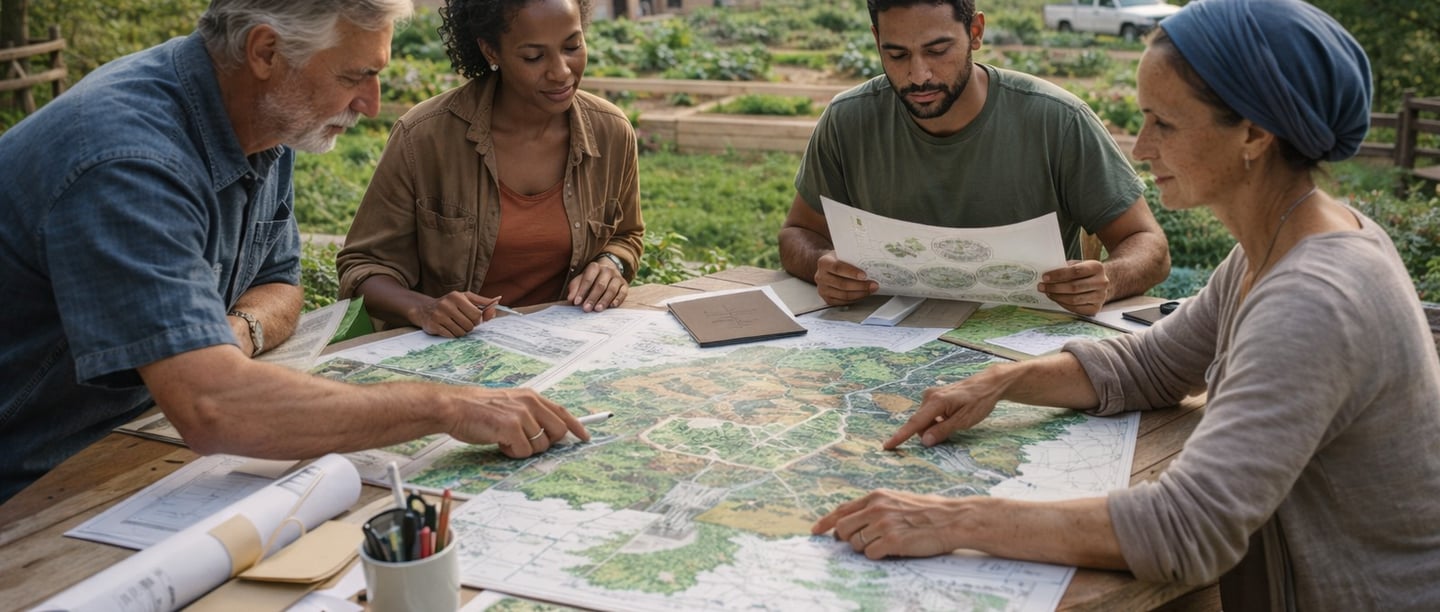
Each land partnership is explored individually.
We do not offer fixed transaction terms, guaranteed outcomes, or predefined financial structures.
Instead, we work together to examine:
Long-term feasibility
Governance and stewardship structures
Appropriate economic and legal frameworks
Alignment between the land, the vision, and the people involved
This process begins with conversation:
Connect
Reach out to join our sacred life
Contact
Subscribe
© 2026. All rights reserved.
Privacy Policy | Terms and Conditions